Instrument Rating

Get your instrument rating.
Learn to actually use it.

I want you to be good in your airplane, not just legal. Learn how to think instead of what to think, starting with your instrument rating.

We start remotely in your home simulator. You practice between lessons. Then we spend about 10 days putting it all together in your airplane.

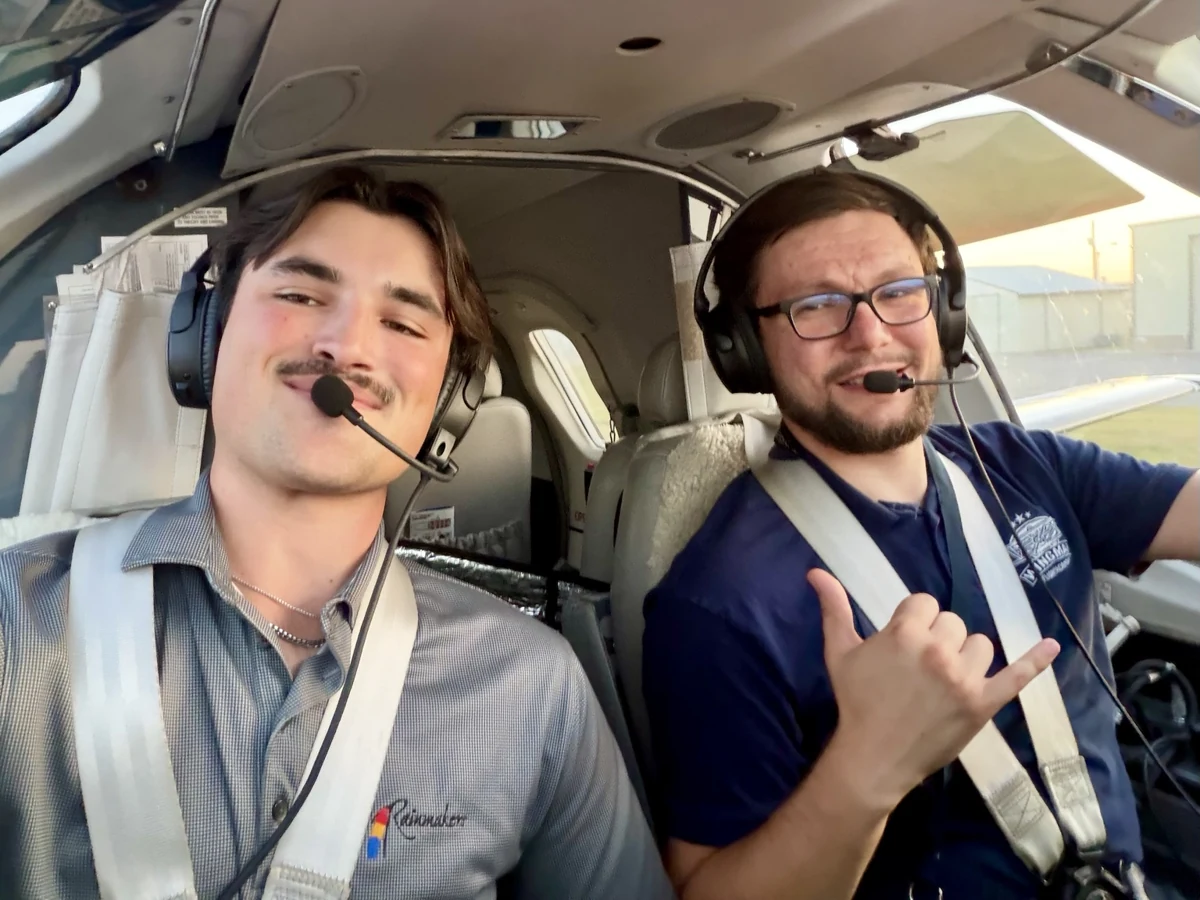
Two people wearing aviation headsets in an airplane cockpit
Your airplane. Your training.
Remote firstSimulator lessons and practice at home
About 10 days togetherFocused training in your airplane

Learn it in the sim.
Then go fly.

The power to pause, ask questions, and break down what you’re doing without the distractions of the real airplane is priceless.

We use that time to build the foundation. When we get in the airplane, we can spend more time putting it together, flying cross-country, and learning how to use IFR for your mission.

My approach to instrument training
01

Learn it.

Complete your ground school and written test. Then we work together remotely in your home simulator: hand flying, avionics, ATC, ForeFlight, and procedures. You get written and video assignments so you know what to practice between lessons.

02

Practice it.

You fly missions in the sim, make decisions, and practice being PIC. We use screen recordings and CloudAhoy to debrief what happened and what needs work. Then we put it together with a mock instrument checkride before we get in the airplane.

03

Go fly.

I come to you, or you come to me. Plan on about 10 days together in your airplane. Now we put what you have practiced to work: real cross-country flying, your avionics, your mission. When you are ready, you take the checkride with a DPE.

How to think. Plan. Execute. Overcome.

Less brainpower in normal operations means more brainpower available when stuff goes wrong.

Plan with clarity.

Know what’s involved in the mission. Work through weather, routes, alternates, and go/no-go decisions so you know what you’re going to do.

Execute with precision.

Practice aircraft control, navigation, avionics, ForeFlight, and ATC. Build repeatable habits for approaches, holds, departures, and arrivals so normal operations take less mental effort.

Overcome when things change.

Practice making decisions and adapting when the flight stops going to plan. Stay ahead of the airplane, with mental capacity left for the unexpected. Reliable, not reliant.

Before we fly.

Tell me where you’re starting. We’ll go through your experience, airplane, simulator, and schedule. Here’s what you need to have ready:

  • Completed instrument written test and oral-exam preparation.
  • Current flight review and medical or BasicMed, as applicable.
  • Complete aircraft logbooks, annual inspection, IFR checks, and current GPS data.
  • Valid U.S. passport or birth certificate.
  • 20 hours of PIC cross-country time.
  • A home simulator with an internet connection.

Preferred: 50 hours in your airplane.

These are program preparation items. Your FAA eligibility, logbook requirements, aircraft suitability, and simulator setup are reviewed before booking. Home simulator practice does not automatically count as loggable instrument training credit.

Your Investment

$20,000

Training fee for a single-engine piston airplane. Contact me for turbine or twin-engine pricing.

Unlimited instruction for a flat fee. We’ll confirm the included training scope, scheduling, and completion arrangements before enrollment.

If I come to you, travel and lodging are additional. Meals are billed as a $100 daily per diem or expensed meal receipts. Confirm the meal arrangement before booking.

Remote simulator setup support is included. An in-person simulator setup visit is available at an additional day rate.

Start Training Application
Earning an instrument rating

“I used Toby’s services to acquire my instrument rating.”

Charlie
Read the full testimonial

A client’s individual experience.

What you probably want to know.

How long does it take?

Remote preparation fits around your schedule and practice. Plan around 10 days for the aircraft phase. The program allows a 7 to 14 day range for aircraft training. Your preparation, proficiency, weather, and checkride scheduling affect the actual timeline. A completion date is not guaranteed.

Can I do the remote training and fly with another instructor?

Yes. We can do the remote simulator work together. Tell me who will handle the flying so we can talk through the plan.

Already instrument rated?

If you already have the rating and want to build proficiency, start with Master Single Pilot IFR. This page is for earning your initial instrument rating.

What happens after the aircraft training?

When you are ready, take your instrument checkride with a DPE in your airplane. The program also includes a graduation certificate from your Master CFII. Examiner arrangements and any separate costs are reviewed before booking.

Start with your mission.

Where do you want to go? Who’s going in the back? What do you want help with? Put it in the application, and let’s figure out your training.

Start Training Application